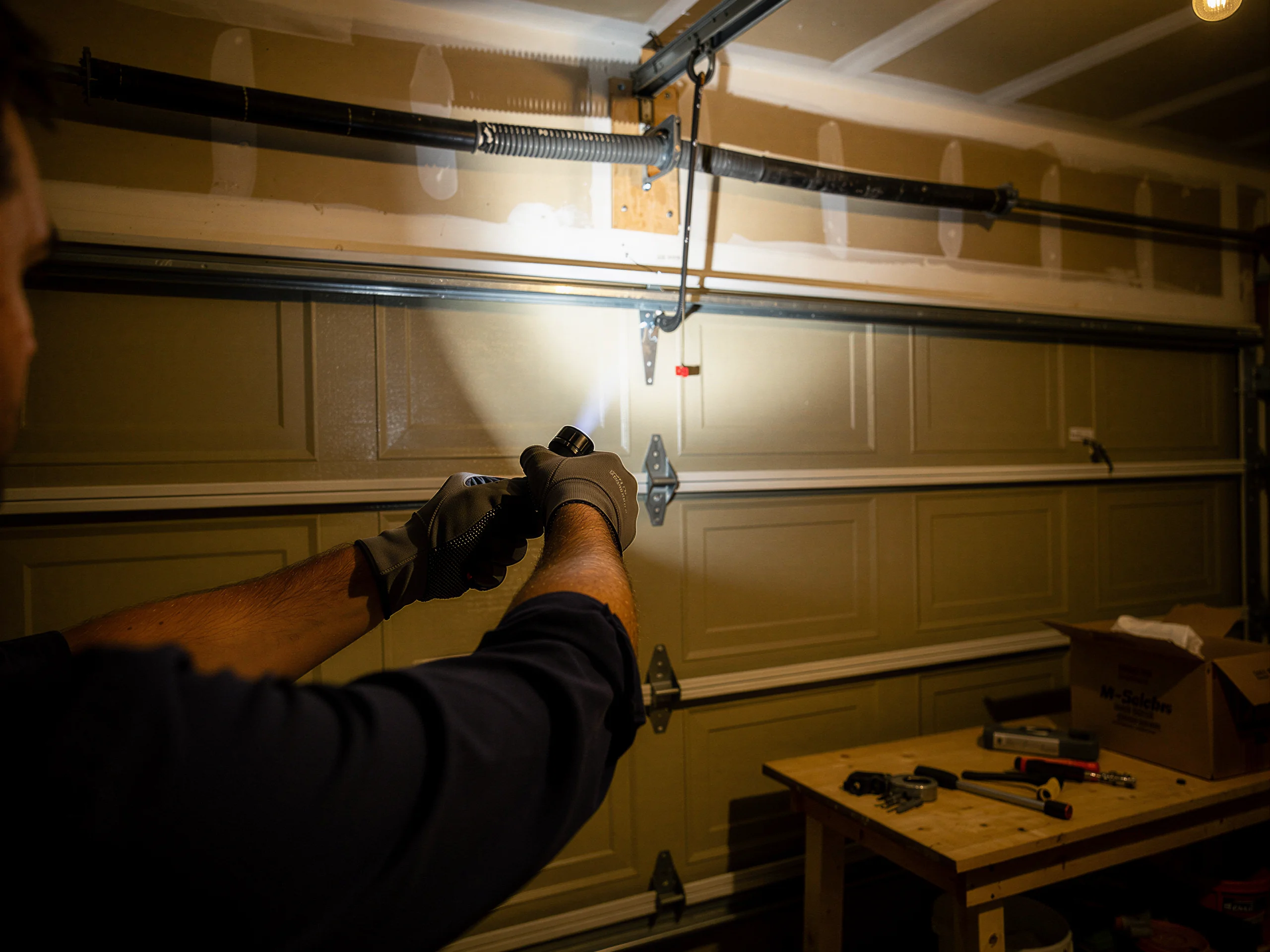
Across the 10 named areas we work, the bulk of garage doors are original to houses built in the 1980s and 90s, which puts a lot of torsion springs well past the point where metal fatigue starts to show - springs are rated for a number of open-close cycles, not years, but 25-30 year old steel that's also been through repeated winter contraction and summer expansion cycles fails sooner than the rating sheet suggests. Smyrna sits in a cold-moderate climate band, which means the steel in torsion springs contracts and loses tension every winter in a way it wouldn't in a warmer zone, and that seasonal flexing is exactly what fatigues a spring that's already a couple decades old.
With 28,075 owner-occupied houses across a service area of 40,373 households, a lot of those original openers and springs are now pushing 30 years old at the same time, which is why we see clusters of spring failures after the first hard cold stretch each year rather than evenly spread across the calendar. At a median household income of $92,292, most calls we get are to keep an aging door running rather than replace it outright, and for a door that's otherwise solid, a spring and roller service usually makes more sense than a full replacement.