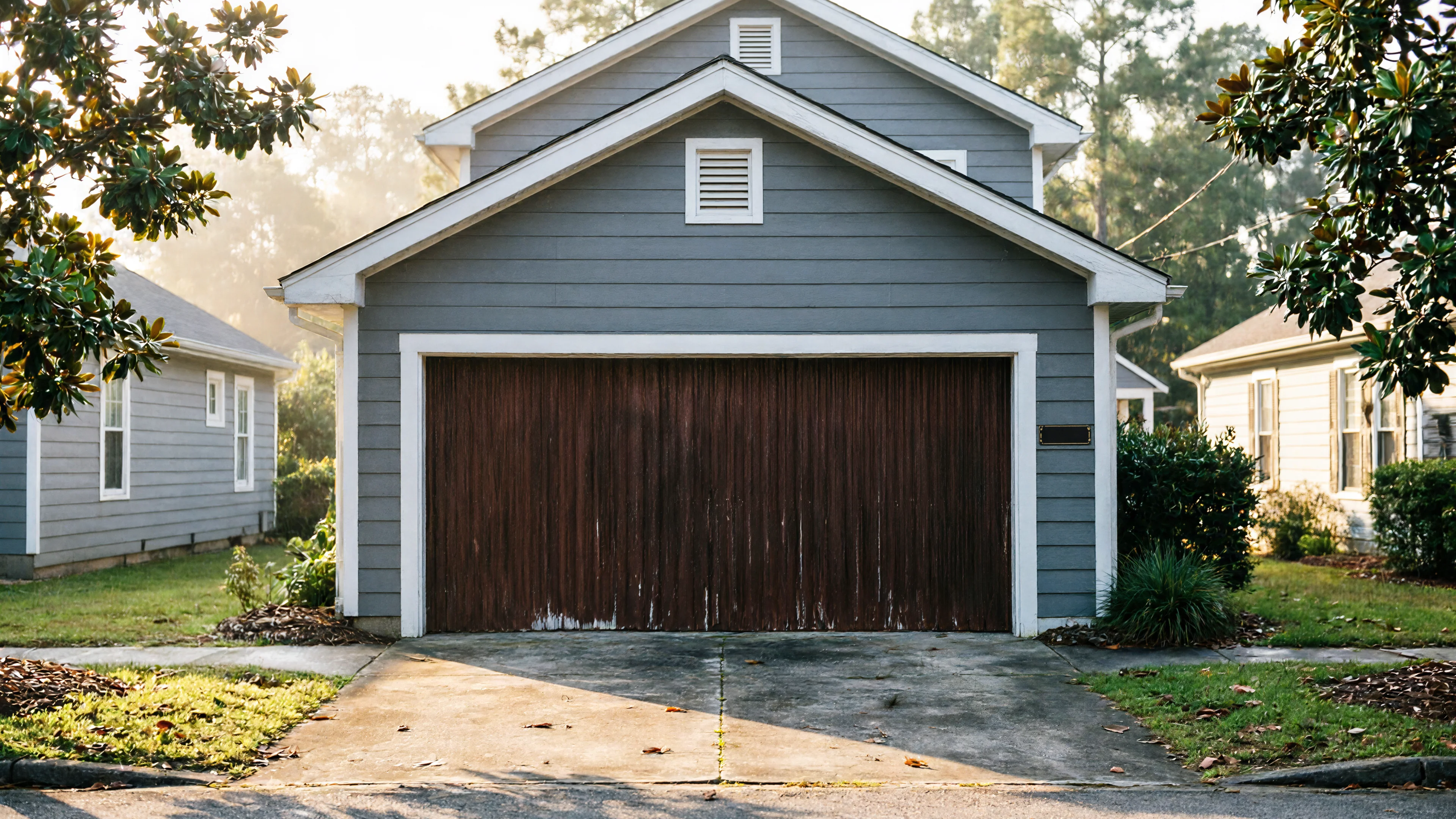
Housing across this service area went up mostly between 1958 and 2012, with the heaviest concentration of that stock dating to the 1980s and 90s across the ten areas we work in. That means a lot of garage doors still in service are original steel sectional units from an era before heavier galvanized coatings were standard, and those panels rust from the inside of the seam outward long before the face shows it.
This area sits in a cold moderate climate band, which means panels go through real freeze-thaw cycling every winter rather than a mild coastal swing. Moisture gets into the bottom seam, freezes, expands the gap, and the rust accelerates from there - it's a slow failure that shows up as a crack or a soft spot years before anyone would call it an emergency.
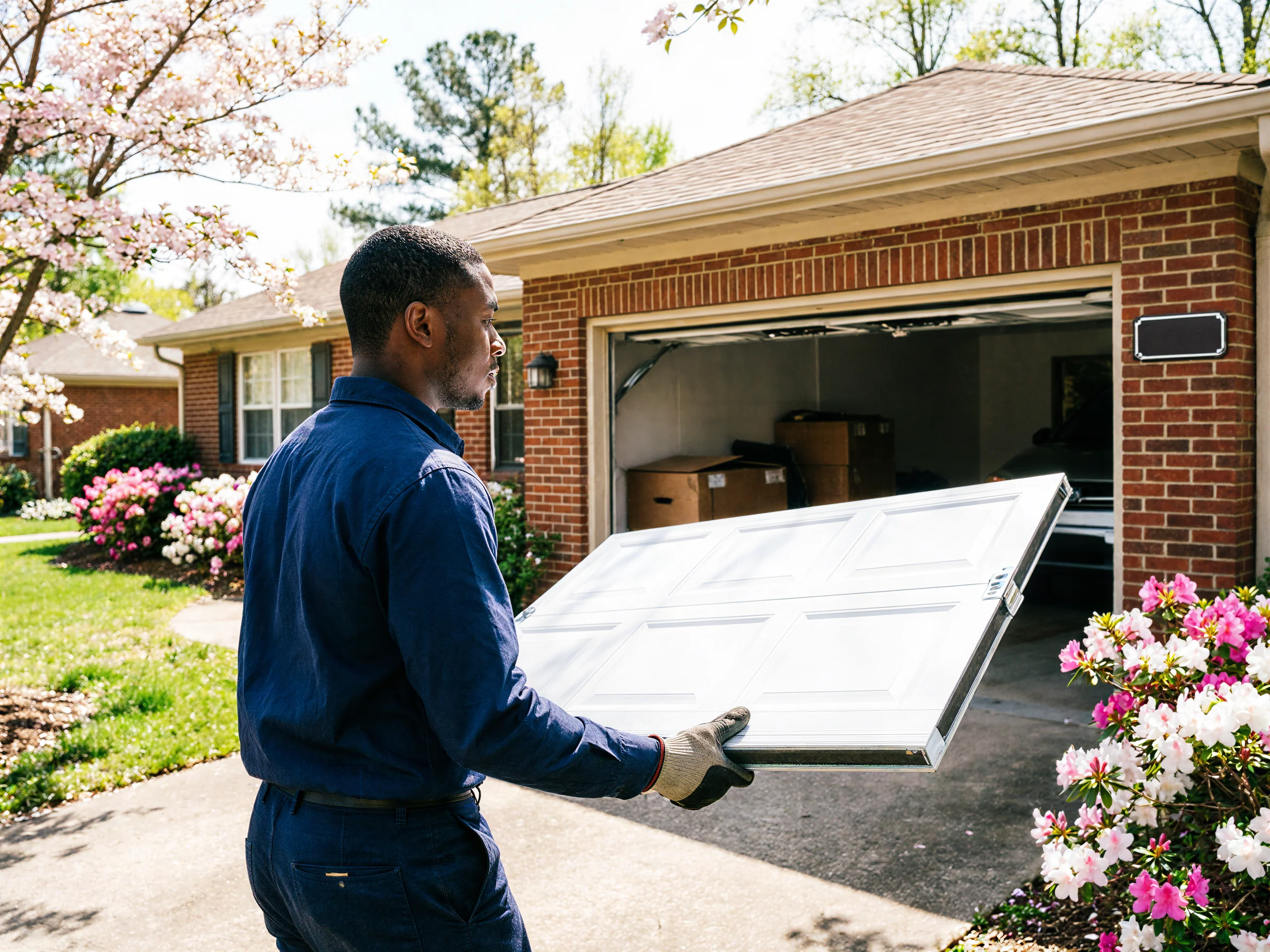
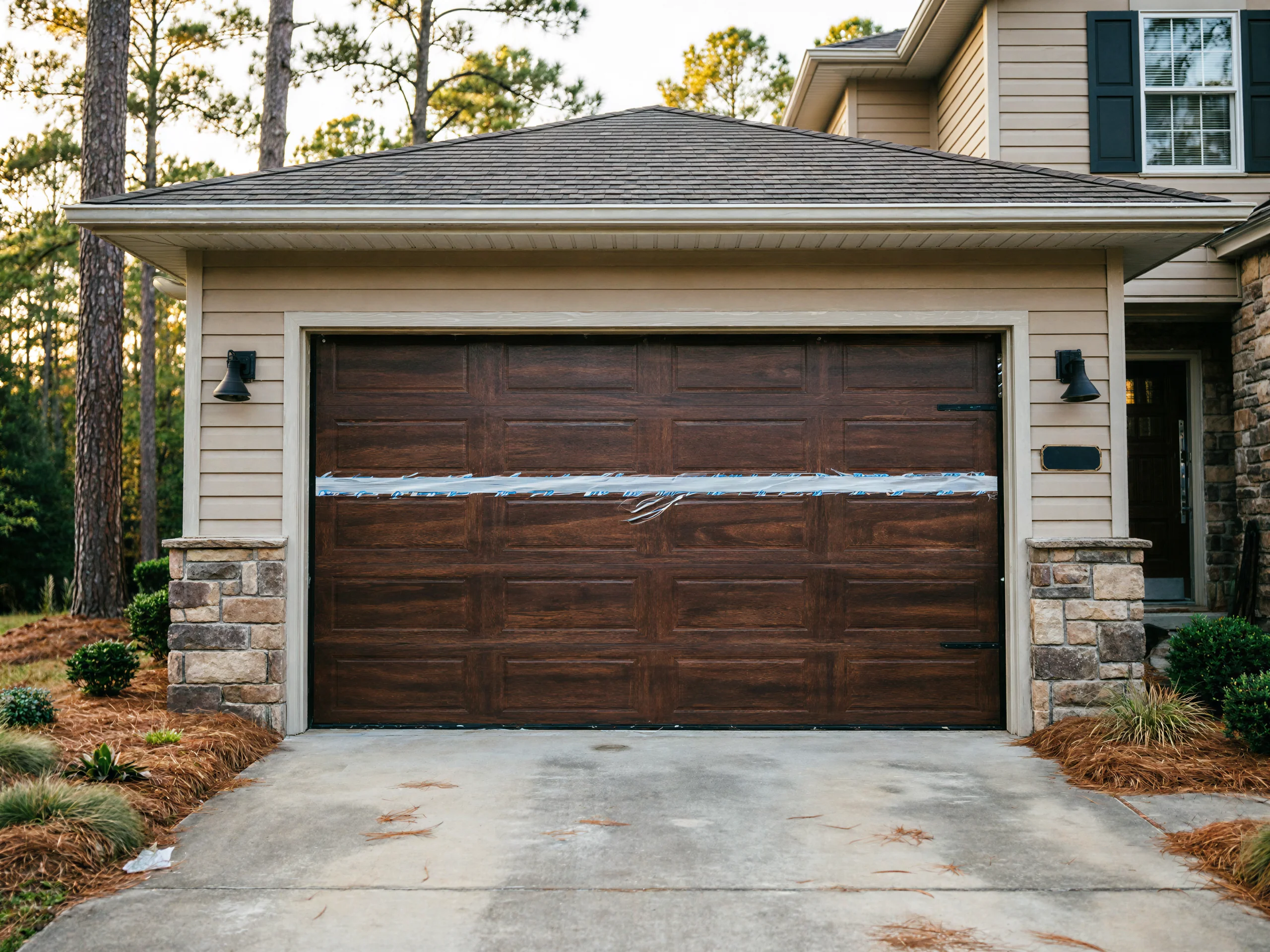
With 28,075 owner-occupied houses among the 40,373 households in this service area, most of these doors are originals that have never been touched since the builder installed them. That's long enough for one bad winter, one dent, or one rusted seam to turn into a panel job rather than a full door replacement - which is usually the cheaper and faster fix if it's caught before more sections go.