
One-stop maintenance visit
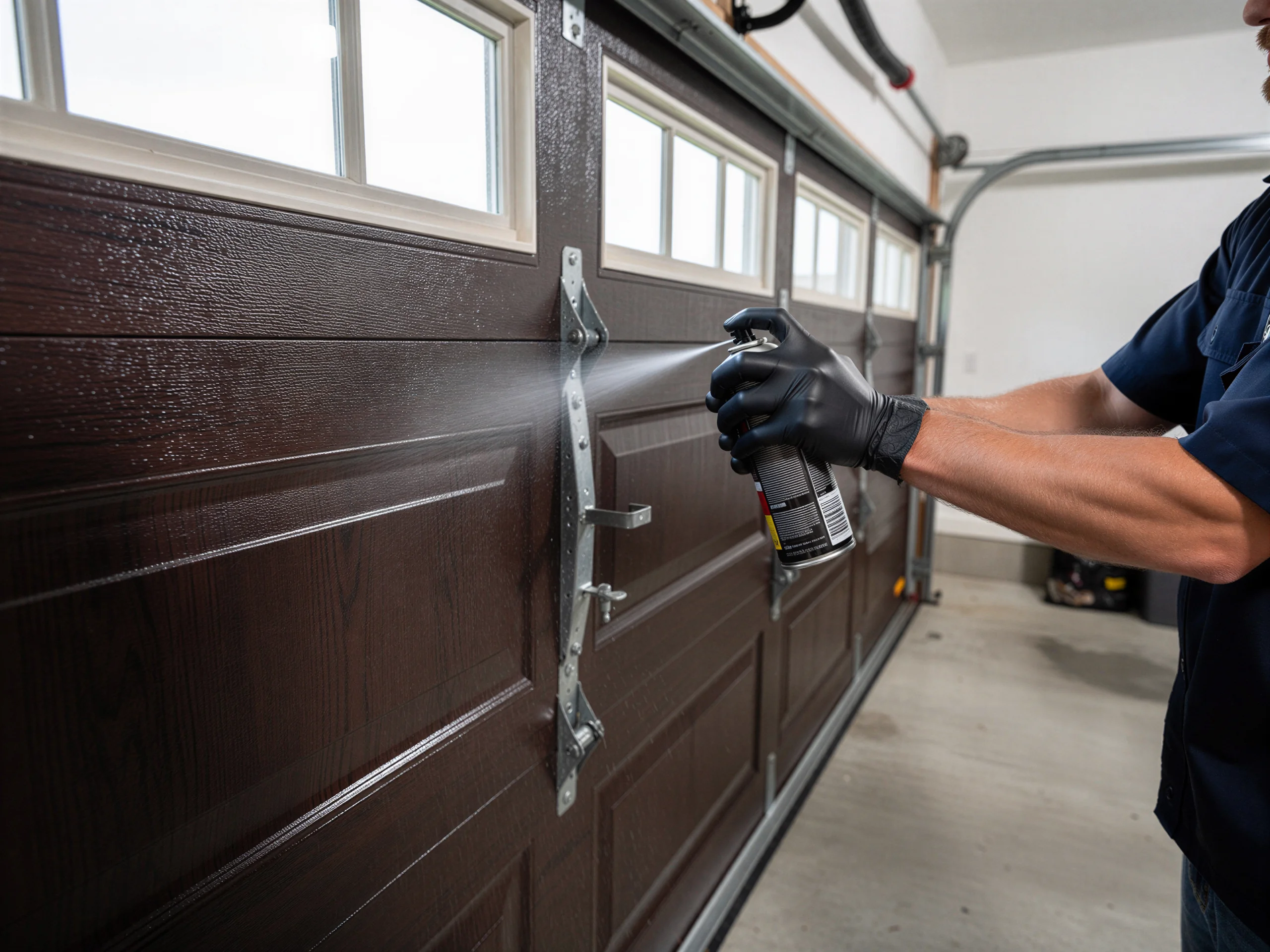
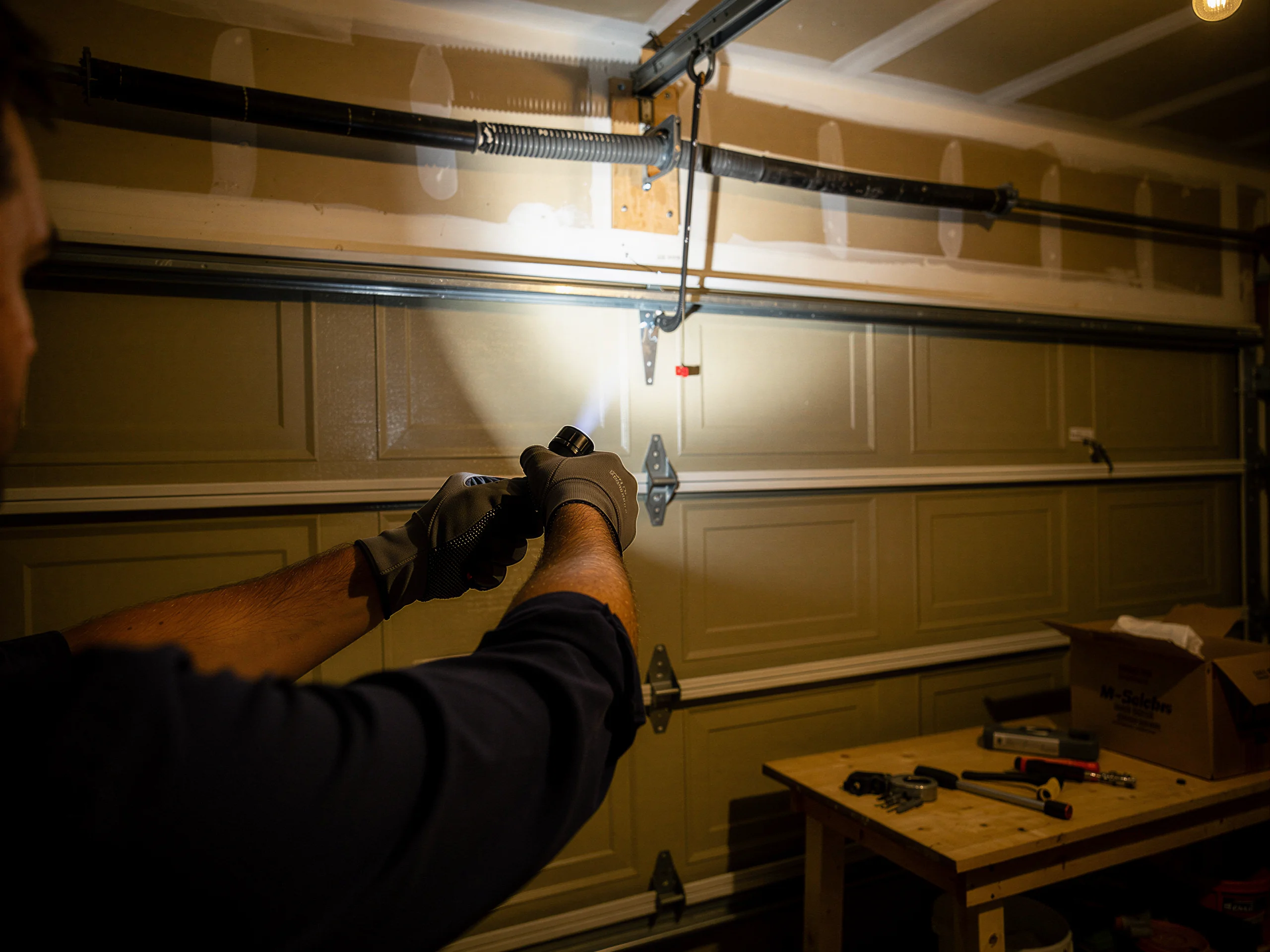
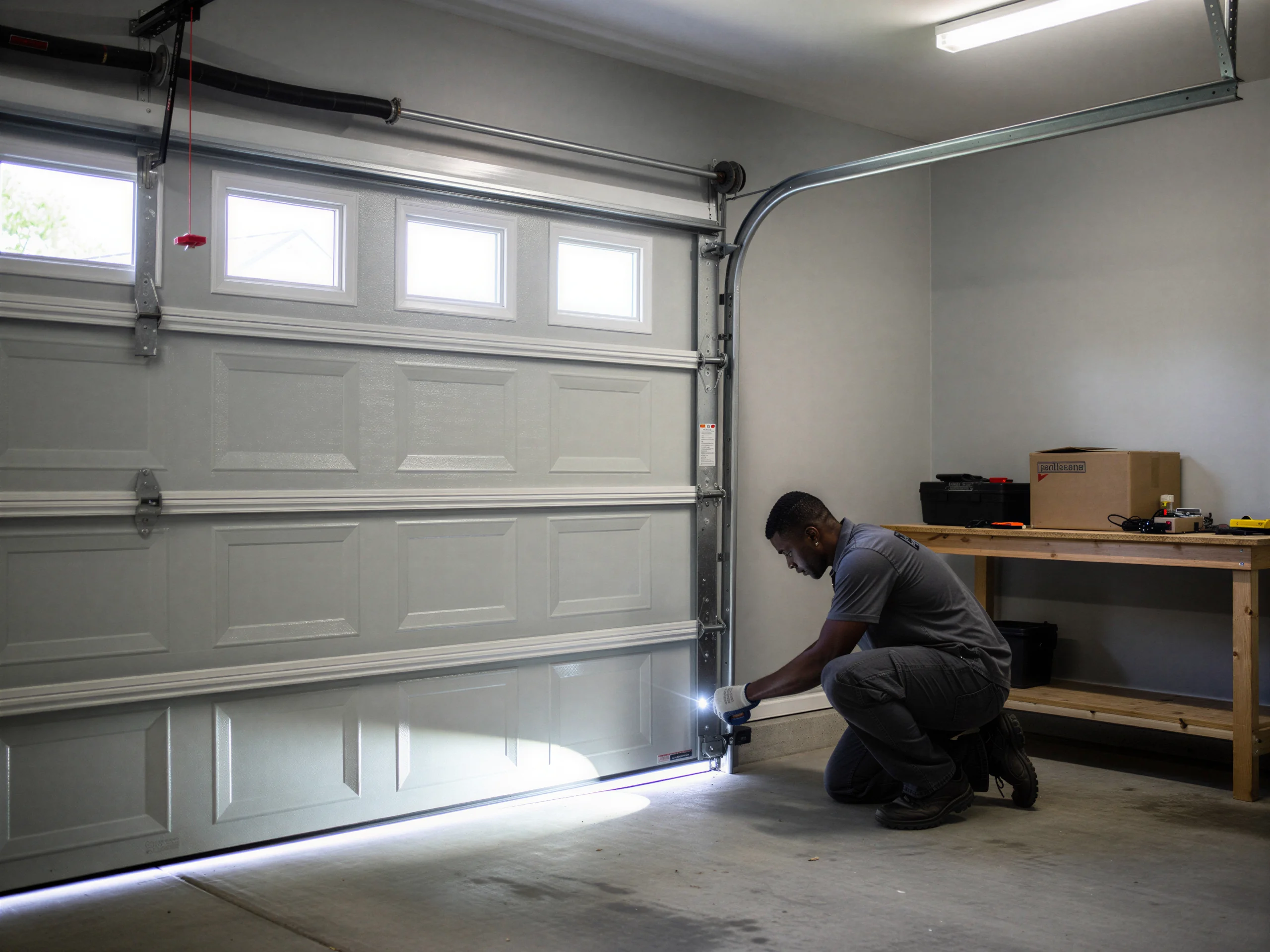
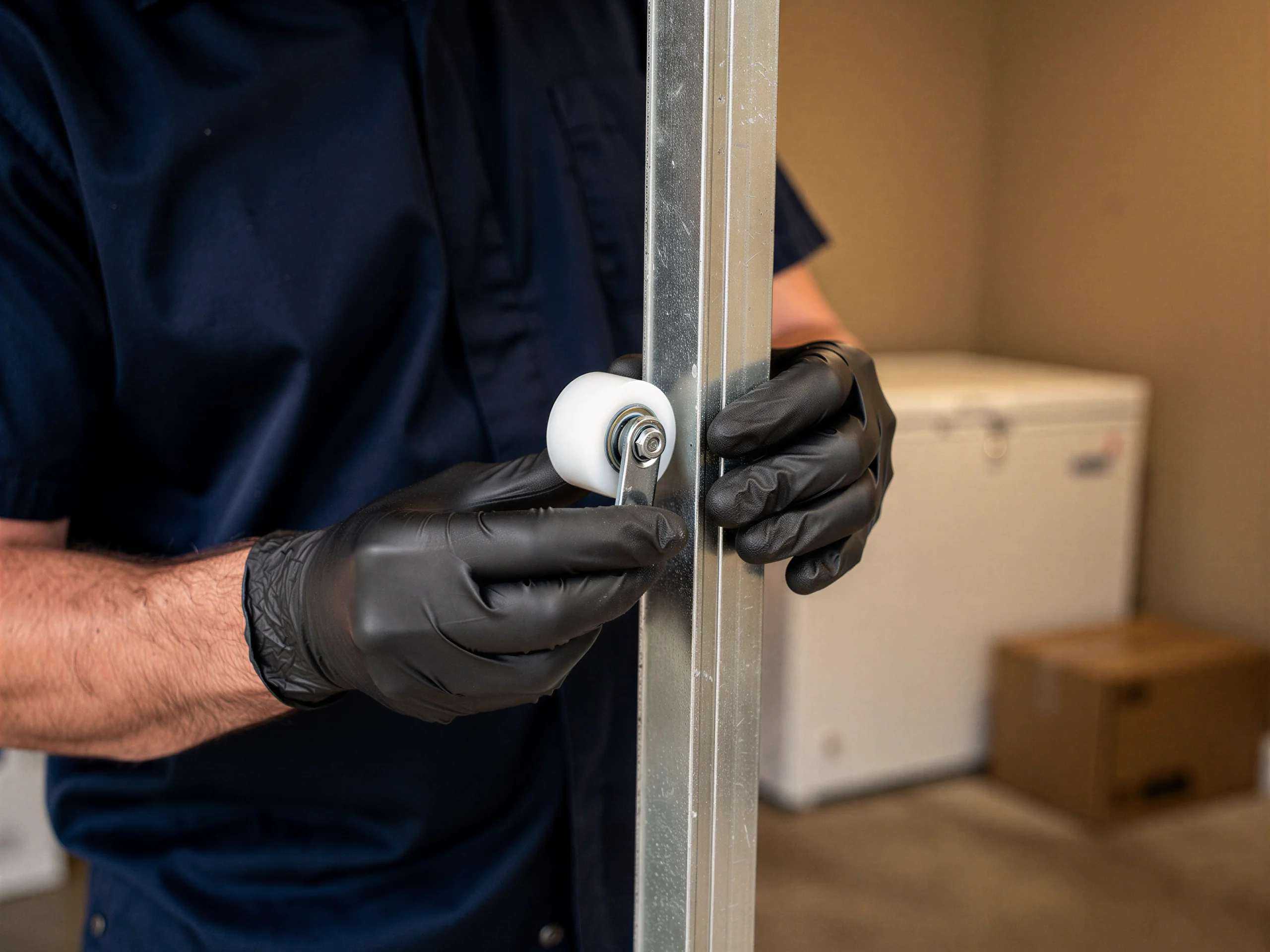
Lube, track alignment, spring tension, roller wear, opener sensor check - it all happens in that one stop, because a second trip for a part we should have checked the first time costs both of us real time.
Forest Hills, Smyrna
Garage door maintenance for Forest Hills homes built around 1970, serviced on the 19-mile run from Smyrna. Know what the drive means for scheduling a tune-up.
Watch-outs
Forest Hills sits 19 miles out from our Smyrna shop, which is the first thing that shapes how a maintenance call here actually works. That's not a quick cross-town hop - it's a drive long enough that we bundle a full inspection into one visit instead of running back out for something we could have caught the first time.
Lube, track alignment, spring tension, roller wear, opener sensor check - it all happens in that one stop, because a second trip for a part we should have checked the first time costs both of us real time.
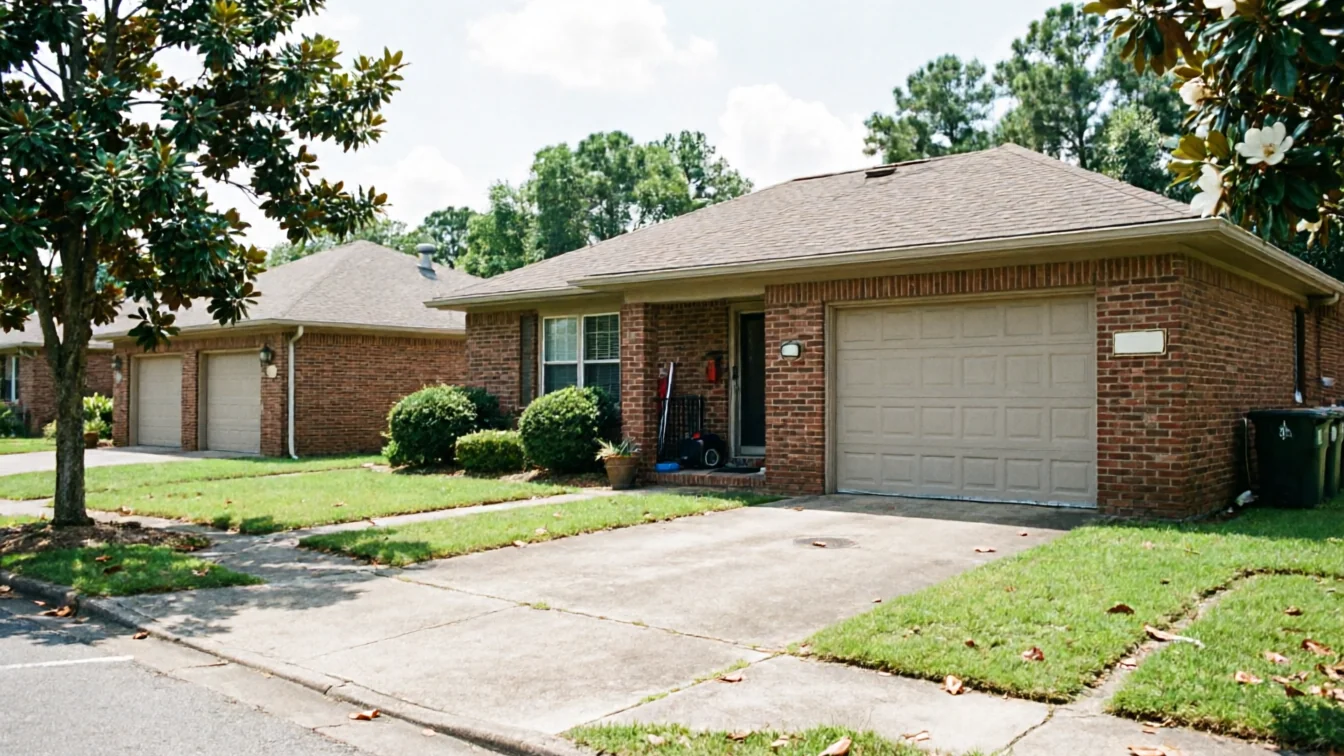
The houses here mostly date to around 1970, which is older than the 1992 median across the broader service area. That matters for maintenance because a door installed in that era, even if it's been replaced once since, often still rides on the original track brackets or jamb framing from the house's first build.
Those brackets were sized for lighter doors than what's commonly installed today, so a maintenance visit here spends more time checking bracket fasteners and header clearance than it would on a newer build. We're not guessing at wear patterns - we're looking at hardware that's had fifty-plus years to settle, shift, or rust at the lag bolts.
Pricing
We don't have a Forest Hills-specific price list to quote here, and we're not going to invent one. What we can tell you is that the drive factors into scheduling more than it factors into the bill - we don't charge extra mileage for the run, but we do ask for a wider appointment window than a job five minutes from the shop would need.
The cost of a maintenance visit depends on what we find once we're there: how much the torsion springs have relaxed, whether rollers need swapping versus just cleaning, whether the opener's force settings have drifted.
On a house built around 1970 with original jamb hardware, it's common to find fasteners that need re-seating or replacing rather than just tightening, and that adds a few minutes of labor most newer doors don't need.
For specifics on what a maintenance visit covers and runs, see our Smyrna maintenance page - the service itself is the same no matter which town we're driving to.
Local causes
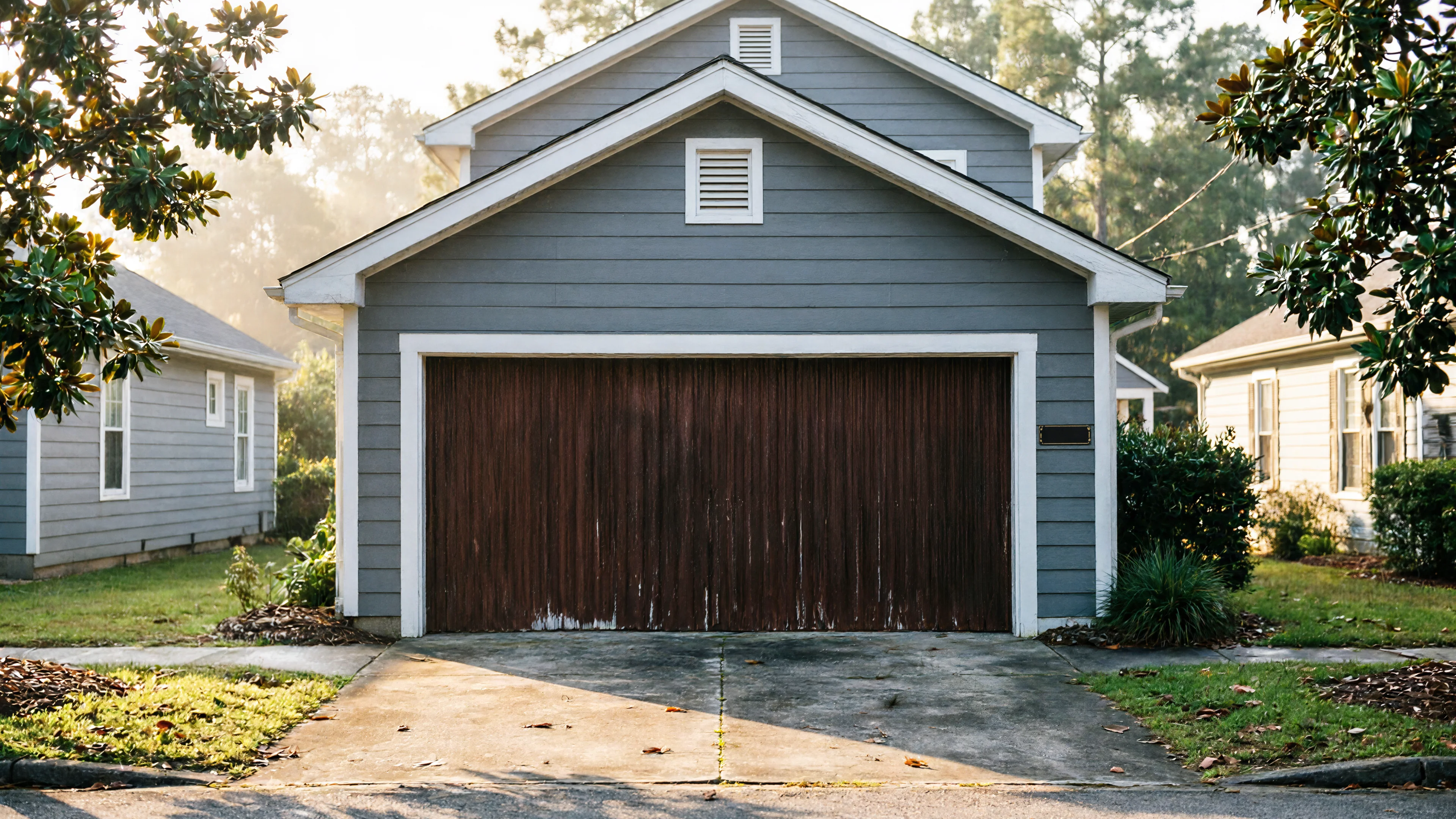
Cold moderate winters put a specific kind of stress on garage door hardware - metal contracts, lubricant stiffens, and torsion springs lose a little tension every cold snap before loosening again as temperatures swing back up. On a door with original 1970-era mounting hardware, that cycle works at joints and brackets that have already had decades to loosen. A skipped maintenance visit doesn't show up as a sudden failure - it shows up as a door that's slowly gotten louder, slower, or harder to balance, until one cold morning the spring finally gives or a roller jumps the track.
Households in Forest Hills run a median income well above the broader area average, and higher-end doors - insulated steel, heavier wood-composite panels - put more load on hardware that was never upsized to match. That's not a knock on the house; it's just a mismatch maintenance is built to catch before it becomes a repair call. We don't retrofit load-bearing brackets without reason to - if the hardware is still sound, we service it. If it's not, we'll say so and give you the option, not a sales pitch.
DIY or pro
Some of it, yes. Wiping down tracks, checking for visible rust on an original-era bracket, listening for new grinding or popping sounds - any homeowner can do that walk-around monthly. Lubricating rollers and hinges with the right garage door lubricant (not WD-40, which washes grease out rather than replacing it) is a ten-minute job.
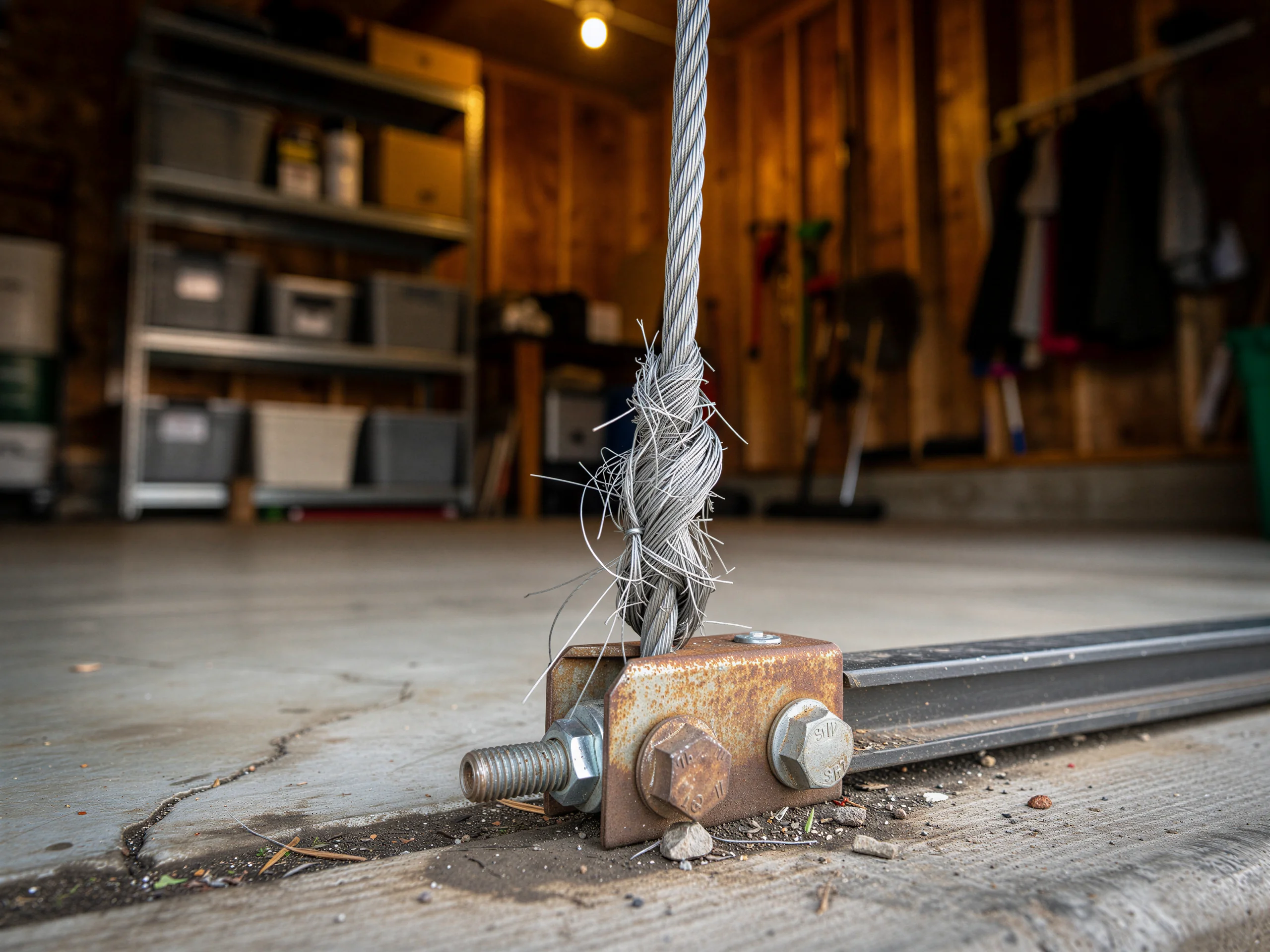
What we don't recommend doing yourself: touching a torsion spring, adjusting opener force settings past the manufacturer's basic guide, or working on original 1970s-era jamb hardware you suspect is loose. That's where a visit from someone who's looked at a lot of doors from that build era earns its cost - telling the difference between a bracket that needs a new lag bolt and one that needs the whole jamb reinforced isn't a guess you want to get wrong on a 500-pound door.
Questions
It's about 19 miles from our Smyrna location. We don't charge extra for the drive, but we do ask for a somewhat wider appointment window than a job closer to the shop, since we plan the day's route around longer trips like this one.
Often, yes. Houses here mostly date to around 1970, older than the broader area's 1992 median build year, so original jamb hardware and track brackets are more common. Maintenance visits here spend more time checking fastener condition on that original hardware.
Lubrication and a visual check are fine to do yourself monthly. What you can't easily judge from a visual check is spring tension or whether original 1970s-era mounting hardware has loosened enough to matter - that's worth a professional look periodically.
Yes. This area sits in a cold moderate climate band, and the seasonal temperature swings stiffen lubricant and change spring tension slightly through the winter. Regular maintenance catches the gradual loosening before it turns into a failed spring or a jumped roller.
Explore more
Ready when you are
Smyrna Garage Door Pros repairs and installs garage doors, springs and openers in Smyrna, TN and the surrounding area.