
Same-visit repair expectation
Once we're on site, a torsion spring swap or opener repair on a standard 2000s-era sectional door is usually a same-visit fix.
Mount Juliet, Smyrna
Mount Juliet homes mostly went up after 2000, with steel doors and keypad openers as standard - different hardware than Smyrna's older stock. We travel 16 miles to fix it.
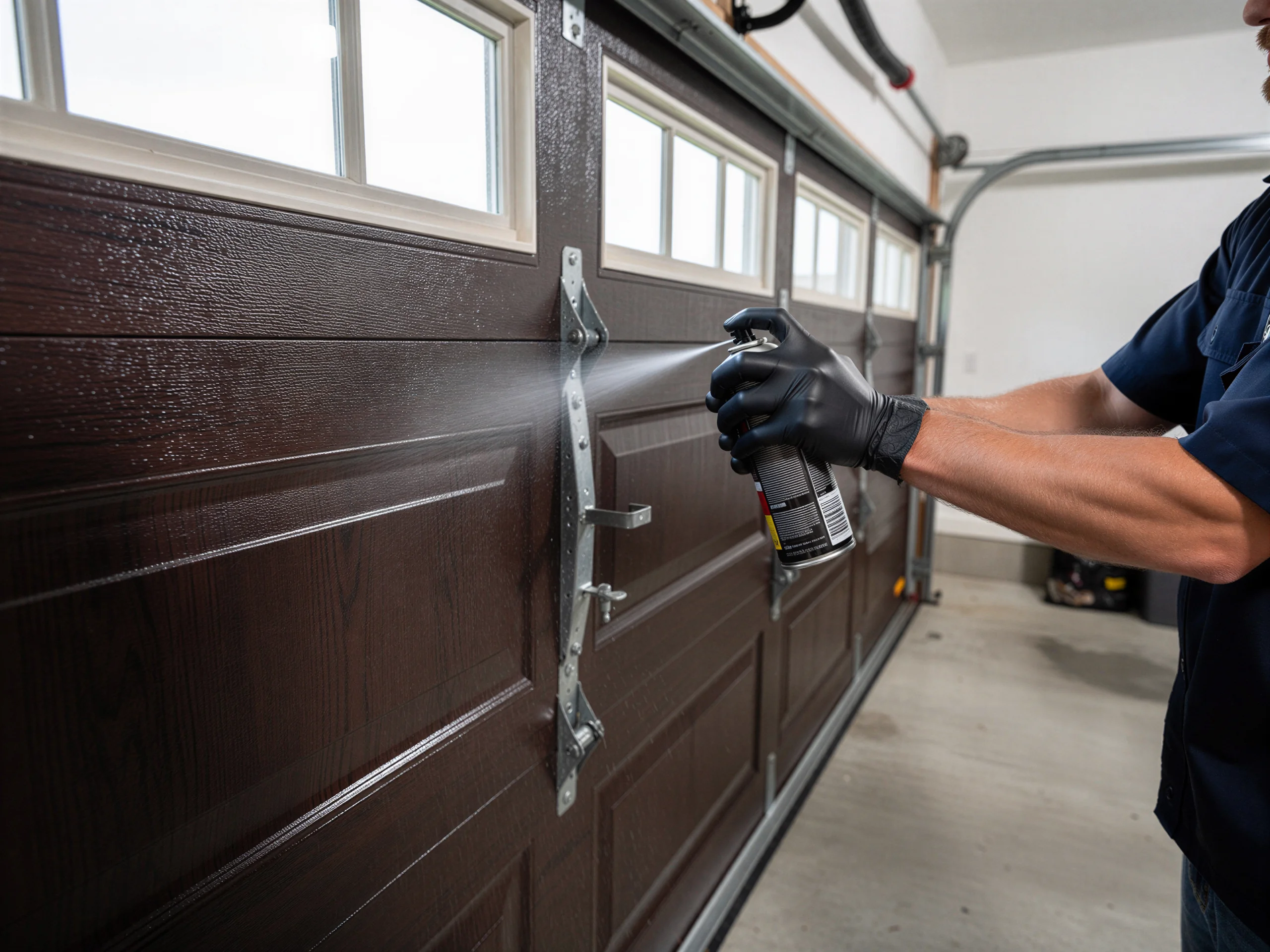
Our process
Most houses in Mount Juliet went up after 2000 - the area's median build year runs around 2005, a good decade newer than the broader Smyrna service area, where the median sits closer to 1992.
That gap matters on a service call. A 2005-era door is almost always a steel sectional on a torsion spring with a chain or belt-drive opener already wired for a keypad, not the older extension-spring setups we still run into on the 1958-2012 stock across the rest of the territory.
When we come out, we're usually dealing with a worn roller, a misaligned sensor, or a spring that's reached the end of its cycle count - not hardware that's been discontinued.
We bring springs sized for the common torsion setups these newer doors use, test the opener's force settings, and check the track alignment before we touch the spring. If the door is original to a 2005-2012 build, the panels and opener are generally still serviceable, which keeps most calls here a repair job, not a replacement sale.
Watch-outs
Newer construction doesn't mean no problems - it means different ones. A lot of what we see in Mount Juliet is an opener logic board that's outlived its warranty but not its panel, or a spring that's never been serviced because the house is still inside its original build-to-now life cycle and nobody's thought about it. Households here report a median income of $107,847, noticeably higher than the roughly $92,292 median across the wider Smyrna area we cover, and that shows up in the doors themselves: more insulated steel panels, more openers with battery backup, more builder-grade hardware that was upgraded once and then ignored. The complication isn't finding parts - it's that homeowners often assume a five-to-fifteen-year-old door shouldn't need anything yet, so by the time we're called the spring has already snapped under load instead of being caught worn.
Timing
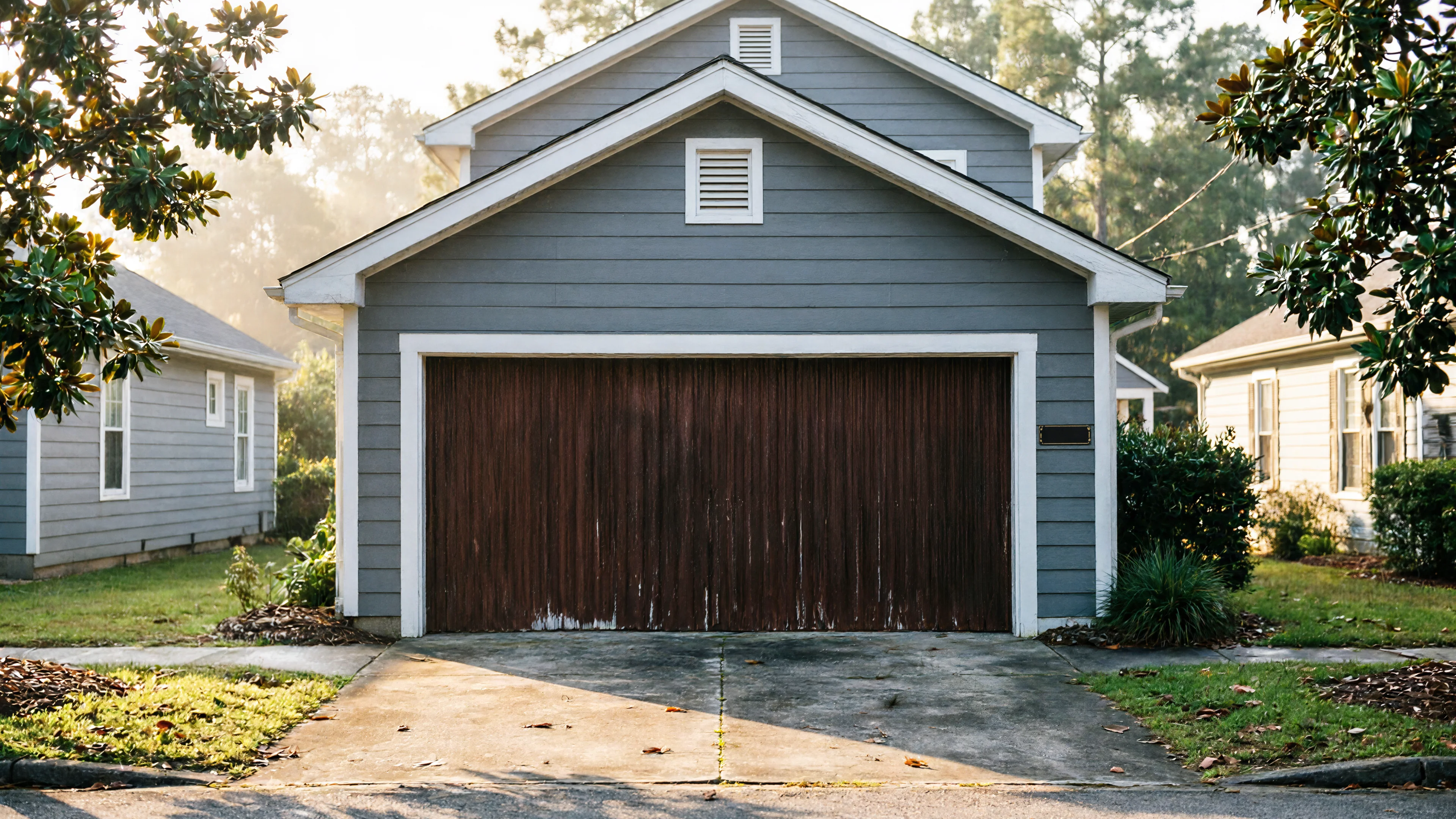
We're not based in Mount Juliet - we run out of Smyrna, about 16 miles away. That doesn't change the repair itself, but it does mean the day's schedule and the drive factor into when we can get there, more than it would for a job five minutes from the shop.
Once we're on site, a torsion spring swap or opener repair on a standard 2000s-era sectional door is usually a same-visit fix.
We don't quote a same-day guarantee for this suburb specifically - the honest answer is that it depends on how the route falls that day - but the work itself, once started, isn't open-ended.
Local causes
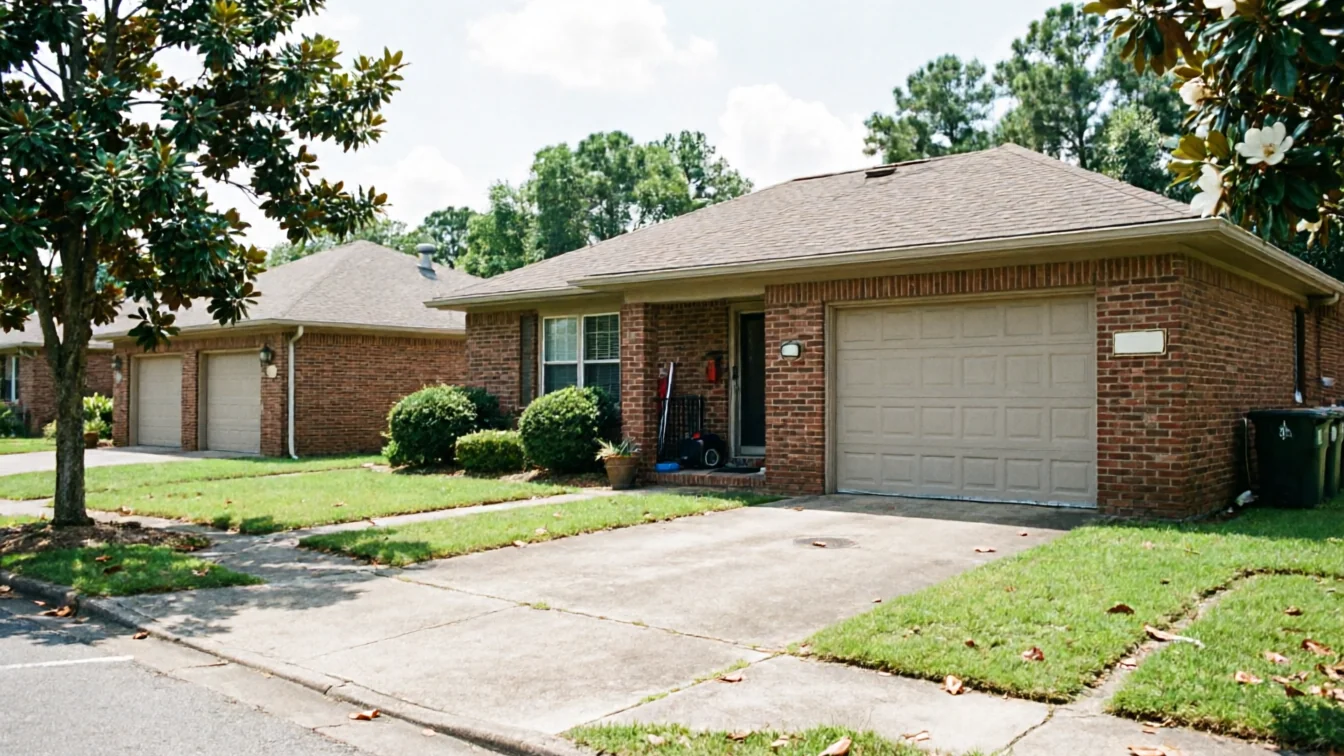
The area sits in a cold-moderate climate band, which matters more for 2000s-built doors than people expect. These houses were built with standard builder-grade weatherstripping and, in a lot of cases, uninsulated or thin-insulation steel panels, because that was code-minimum at the time, not a defect. Over fifteen-plus years of seasonal temperature swings, that weatherstripping cracks and the bottom seal shrinks, letting cold air pull at the spring tension and opener sensors in ways a newer door with better seals wouldn't show. Combined with roughly 15,171 households in this part of the service area mostly sharing that same build-year window, we see the same failure pattern repeat door to door: weak seals first, then sensor misalignment from the cold-season concrete shift, then spring fatigue. It's not dramatic, but it's consistent.
Booking
Tell us the door's approximate age and whether it's the original opener - for a house built around 2005, that's usually enough for us to guess the spring size and opener model before we're even on the road from Smyrna.
We don't keep a local branch in Mount Juliet, so booking means coordinating around the 16-mile drive, but it doesn't change what we bring: torsion springs sized for standard sectional doors, opener diagnostic tools, and track hardware for the common builder-grade setups from that construction era.
If your door is older than the typical 2000s build here, say so when you call - it changes what's in the truck.
DIY or pro
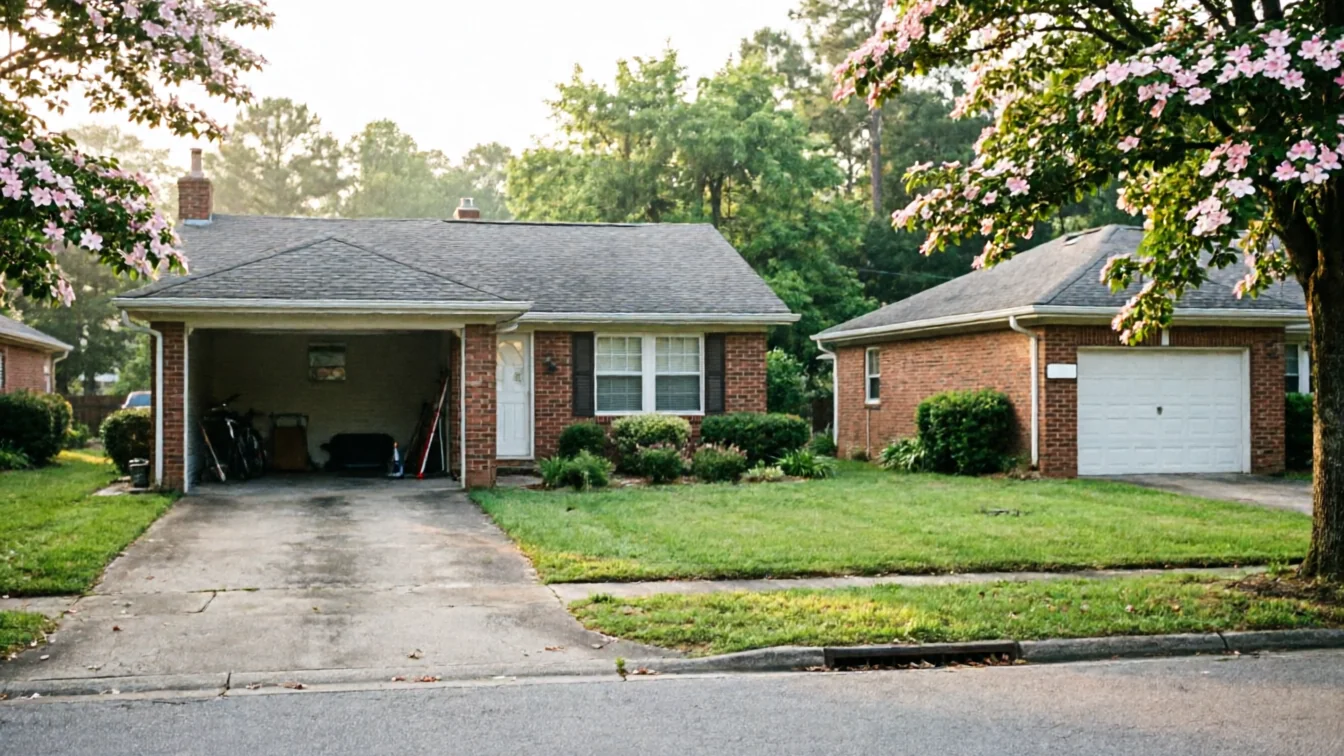
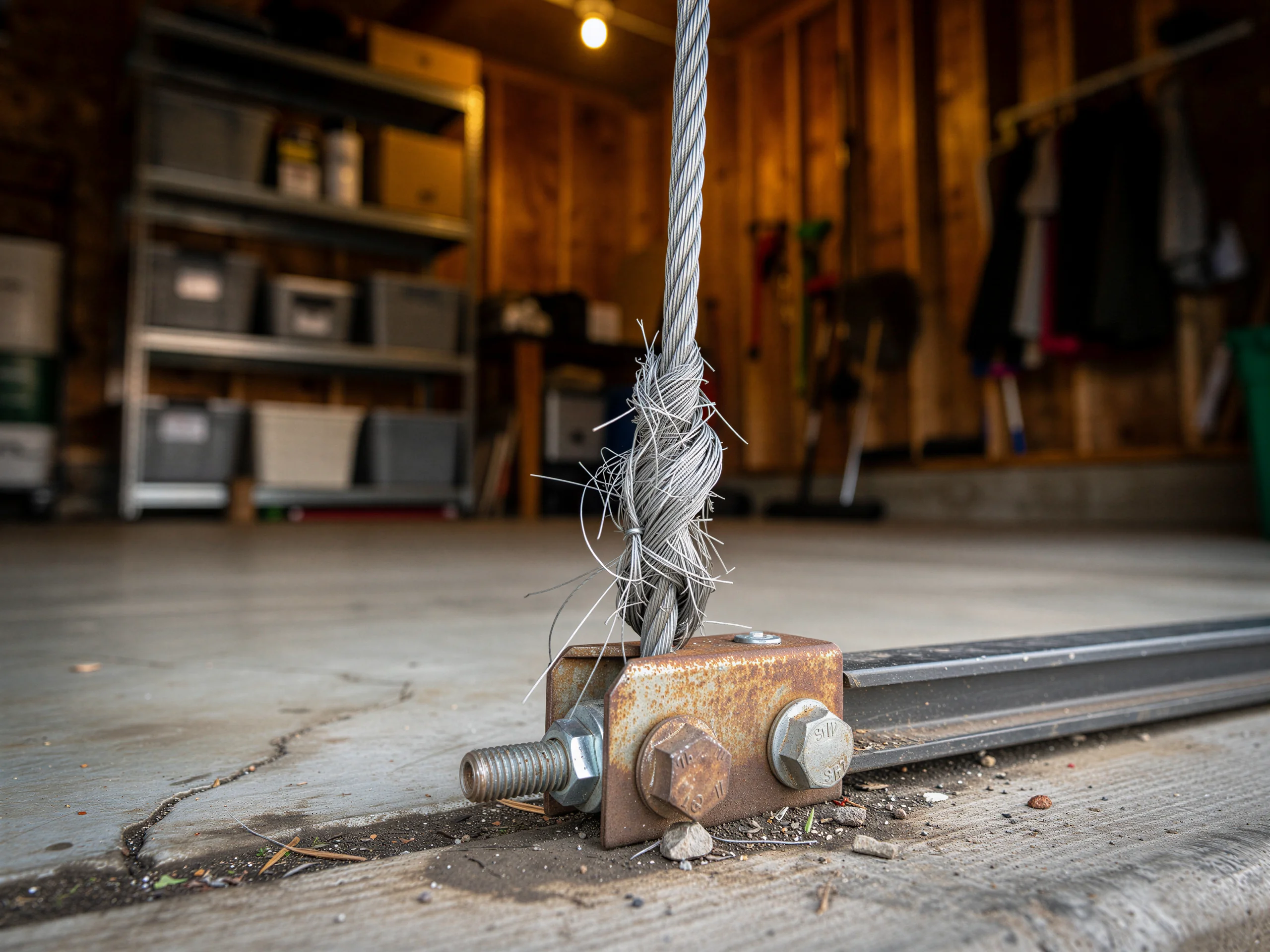
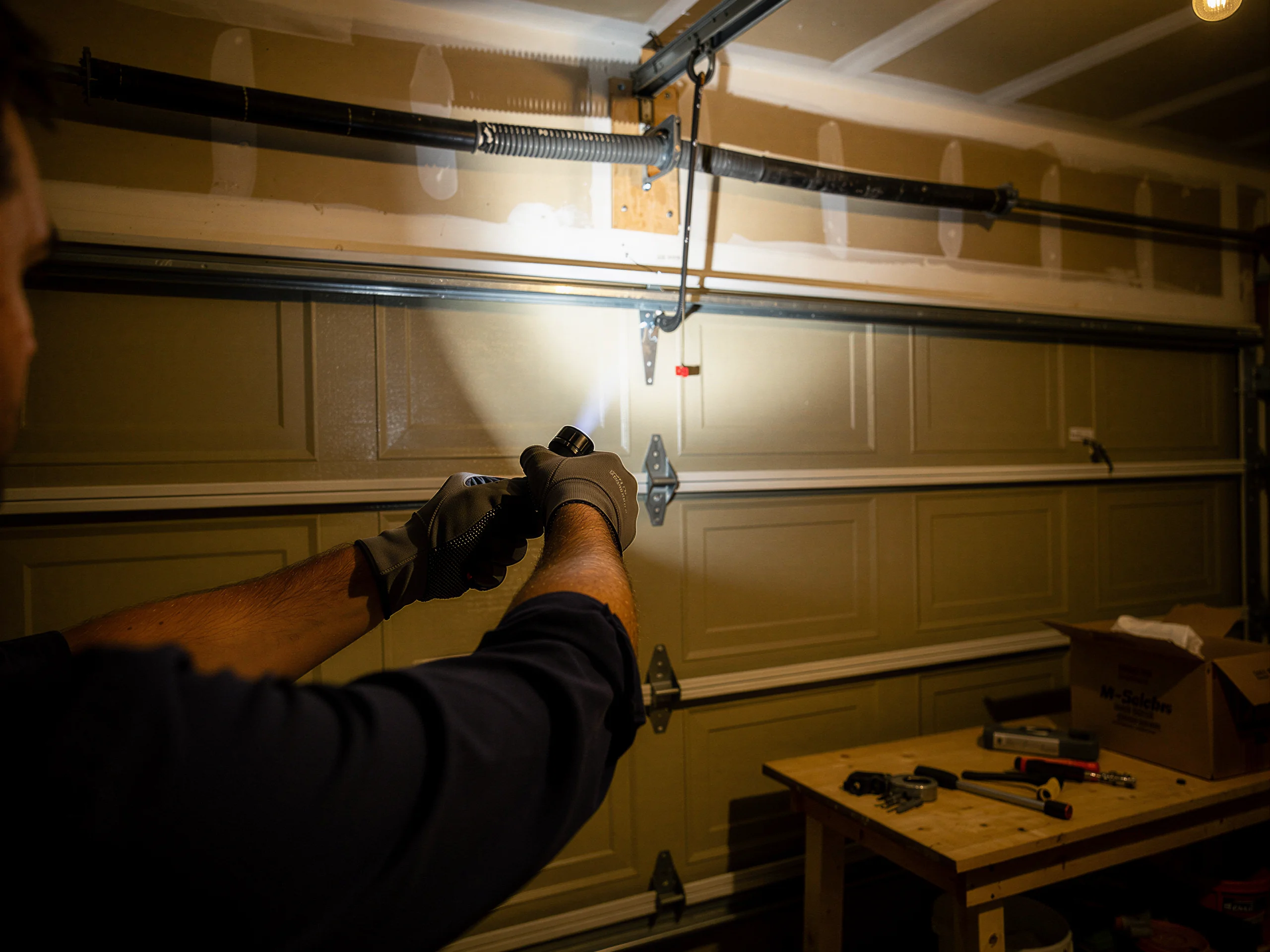
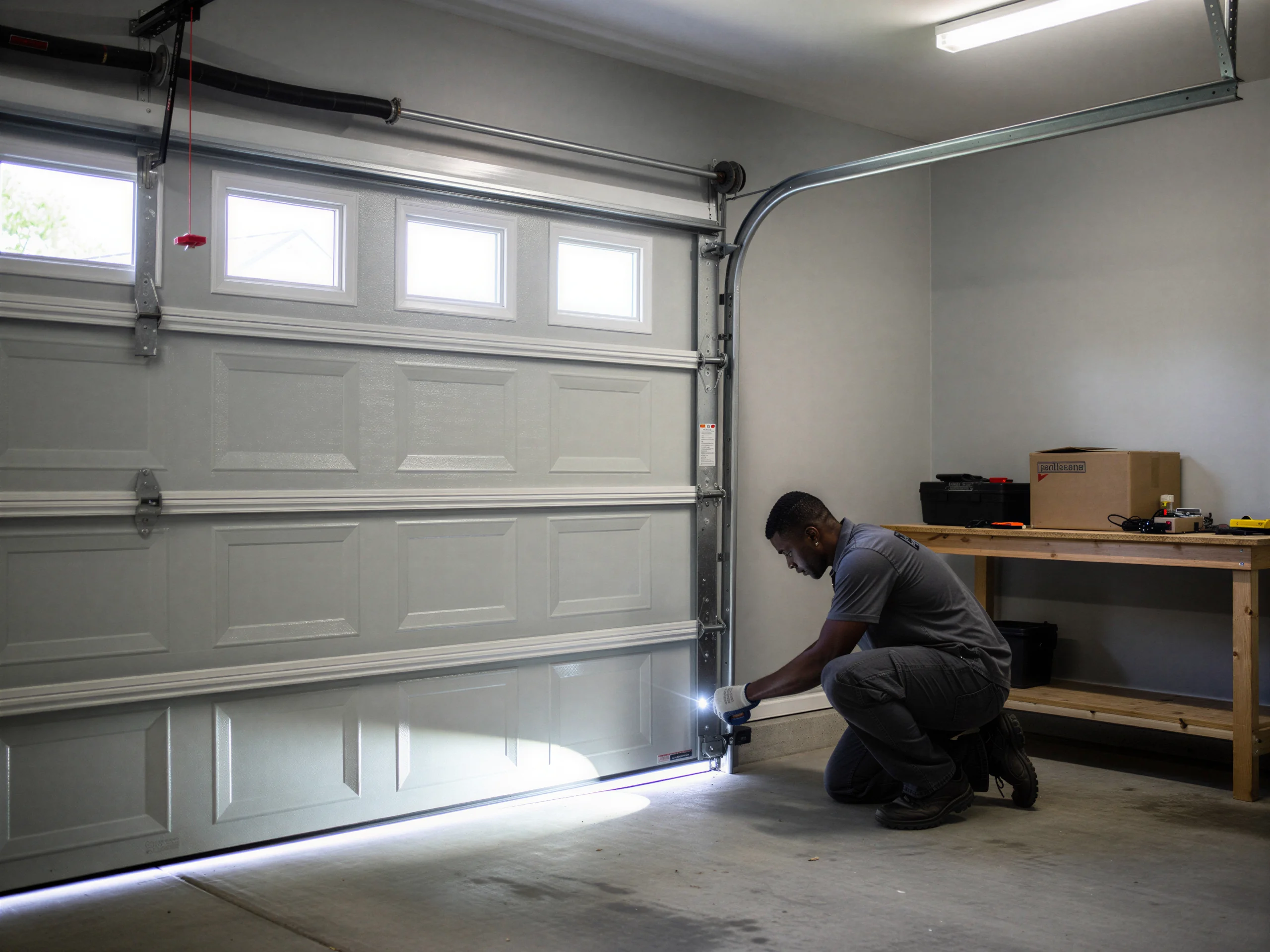
Replacing a torsion spring yourself on any door, regardless of build year, is one of the few jobs we'll flatly say not to try - the spring is under enough tension to break bones if it releases wrong, and that's true whether the door is from 1992 or 2005. What you can do yourself: test the photo-eye sensors by waving a broom handle through the beam, check the weatherstripping along the bottom seal for cracking, and listen for grinding on the rollers before calling. Those three things take five minutes and tell us a lot before we even drive out. Beyond that, especially anything involving the spring or the cable drums, it's not worth the risk to save a service call.
Questions
No. We're based in Smyrna, about 16 miles away, and we travel out to Mount Juliet for service calls. There's no local branch here, but we carry the parts common to this area's mostly 2000s-era door stock on the truck.
A door built around 2005 is old enough now that original openers are hitting the end of their expected service life, even though the house itself still reads as newer construction. Logic boards and sensors wear out on a timeline independent of the panel.
No. Torsion springs are rated by cycle count, not calendar age, and a door installed in the early-to-mid 2000s has likely used up a meaningful share of its spring's rated cycles by now, especially with regular daily use.
Explore more
Ready when you are
Smyrna Garage Door Pros repairs and installs garage doors, springs and openers in Smyrna, TN and the surrounding area.